

Dr. Andy Osei Okrah, who served as President of the Kwame Nkrumah University of Science and Technology, Kumasi (KNUST) Student Representative Council (SRC) in 2000, is best known for initiating the University's SRC Hostel project, a student-led development that has become one of KNUST's most enduring infrastructure initiatives. Since then, his career has spanned public administration, youth leadership and national service.
During his tenure, KNUST faced growing pressure on student accommodation as enrolment increased. Rather than viewing the challenge as beyond the scope of student leadership, Okrah saw an opportunity to mobilise the university community and harness the institution's expertise to develop practical, lasting solutions. His approach reflected a belief that effective leadership is measured by its ability to solve problems and build institutions that endure beyond individual office holders.
The problem of campus accommodation
Student accommodation emerged as the most pressing challenge confronting the university during Okrah's tenure. With a student population of about 10,500, roughly 80% lived off campus because existing residential facilities were inadequate to meet demand. The shortage affected students' welfare, increased transportation costs and placed additional pressure on surrounding communities.
Okrah believed the university already possessed the expertise needed to address the problem. KNUST trained professionals in architecture, building technology, quantity surveying, civil engineering, geodetic engineering and other construction-related disciplines. He argued that these skills could be harnessed to develop practical solutions to the University's own infrastructure needs.
Instead of treating the accommodation deficit solely as an administrative responsibility, he proposed that students should play a direct role in creating a lasting solution. The idea represented a shift from advocacy alone to active participation in institutional development.
Andy's manifesto
Before contesting the SRC presidency, Okrah outlined his vision in his campaign manifesto, proposing the establishment of an SRC Development Fund to finance a student-owned hostel. The proposal sought to address the accommodation shortage while creating a sustainable source of revenue for future SRC programmes.
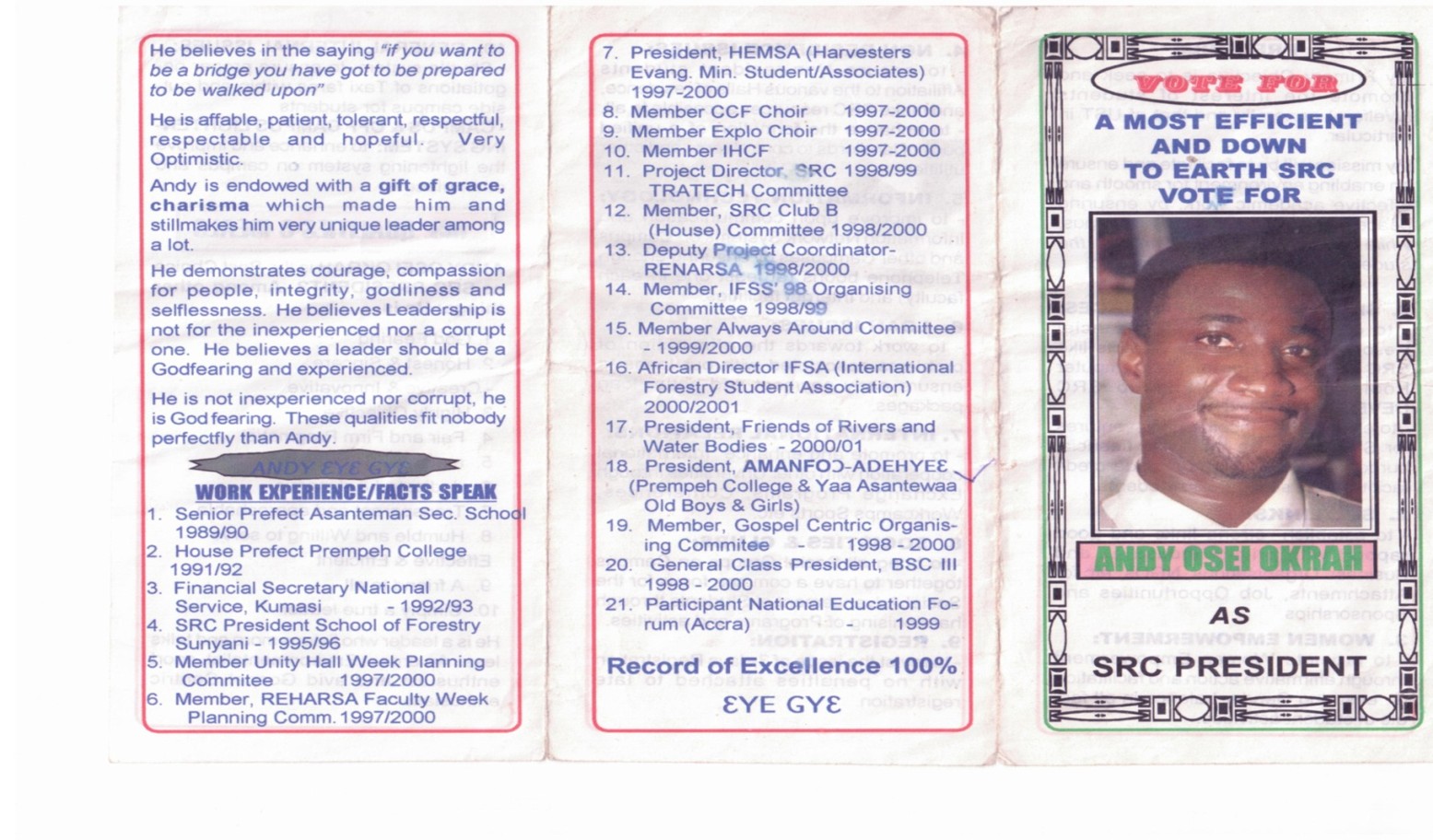
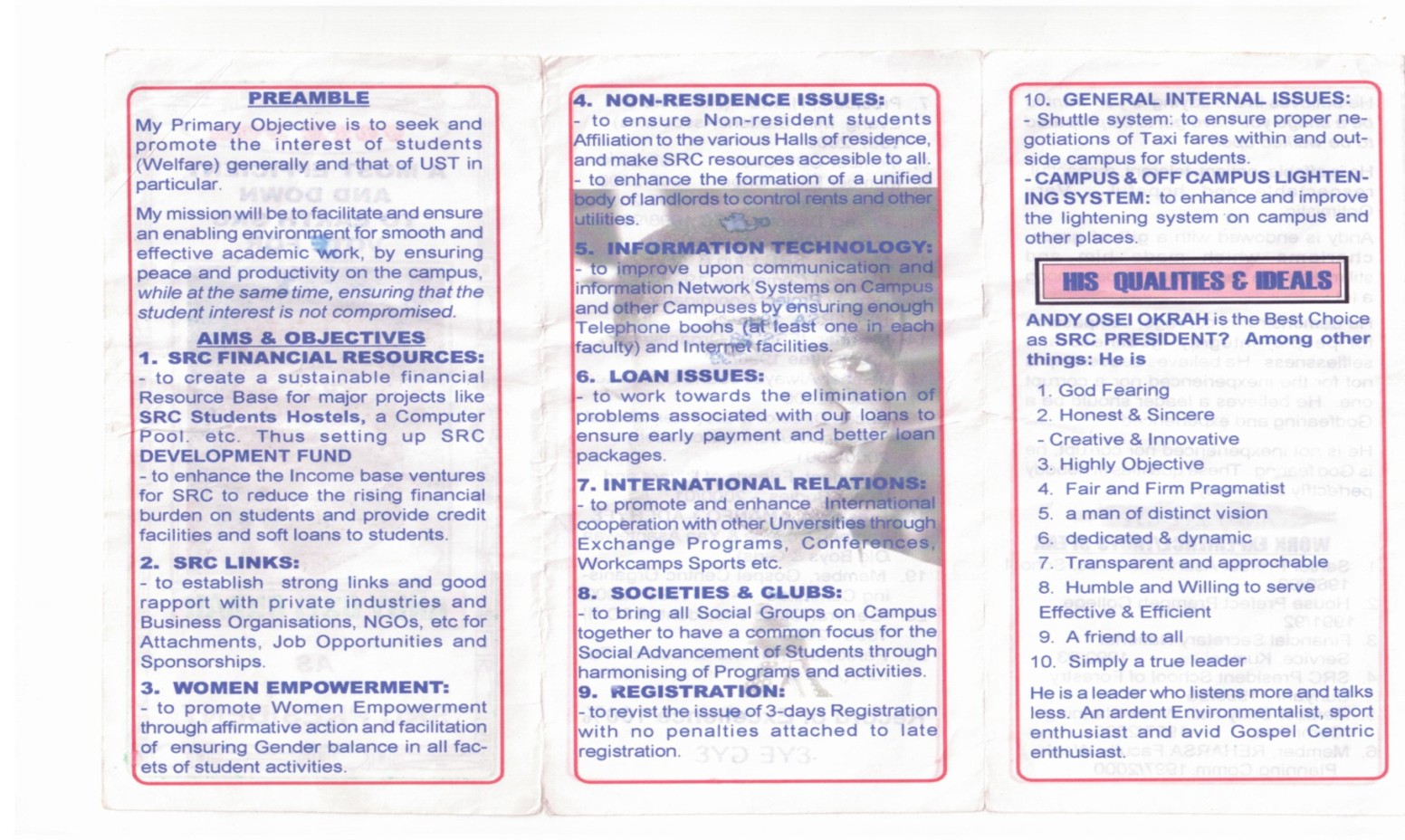
Under the proposal, every student would make a modest contribution to establish seed capital for the fund. To promote transparency and safeguard the contributions, the fund would be managed by an independent Board of Trustees comprising respected public and private sector figures, alongside representatives of the University. The structure was intended to inspire confidence among students and attract additional support from corporate organisations and private investors.
The proposal resonated with the student body because it presented a practical and achievable plan rather than a campaign promise. It encouraged students to see themselves not only as beneficiaries of university development but also as active contributors to shaping the institution's future. The vision became a defining feature of Okrah's campaign and contributed to his election as SRC President.
The SRC Hostel project
Okrah's proposal received strong support from the student body, earning him a decisive victory in the SRC presidential election. Following his inauguration, his administration moved quickly to translate the campaign pledge into a practical development initiative.
The first major step was the establishment of the SRC Development Fund, the first of its kind in the history of KNUST. Through contributions from both fresh and continuing students, the fund raised nearly GH¢250,000 as seed capital for the proposed hostel project. The contributions demonstrated students' willingness to invest collectively in addressing one of the University's most pressing infrastructure challenges.
To strengthen governance and ensure accountability, the SRC developed a legal framework to guide the management of the fund. An independent Board of Trustees was constituted, bringing together experienced professionals and representatives of the University, including the Vice-Chancellor and a representative of the Asantehene. The arrangement was designed to safeguard the fund and build confidence among students and potential development partners.
With the governance structures in place, Okrah presented the proposal to the University Council, then chaired by Prof. Agyewodin, with Prof. J. S. K. Ayim serving as Vice-Chancellor. He informed the Council that students had raised the initial capital and sought the University's support to begin construction of a hostel.
The proposal marked a departure from the issues traditionally brought before the Council by student leaders. Rather than focusing on protests or welfare concerns alone, the SRC presented a long-term infrastructure project financed through student initiative. The Council welcomed the proposal and approved the allocation of a two-acre site behind Unity Hall for the development.
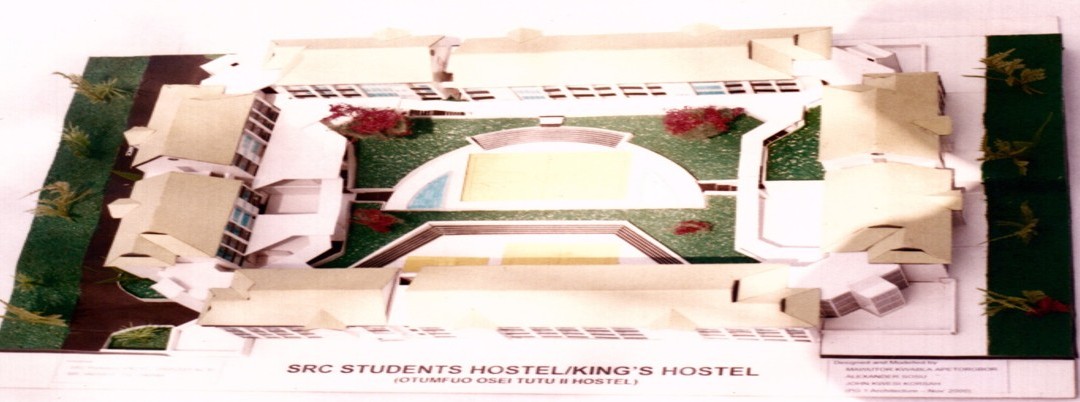
The project subsequently became a multidisciplinary effort involving students from several academic programmes. Geodetic Engineering and Land Surveying students surveyed and demarcated the site, while architecture students participated in a design competition organised by the SRC. The winning design, submitted by a team of three students, became the blueprint for the proposed hostel, which was planned to accommodate about 1,000 undergraduate and postgraduate students.
The initiative demonstrated how knowledge and expertise within the University could be applied to address institutional challenges. By engaging students in the planning and design process, the project fostered a sense of shared ownership and reinforced the role of student leadership in advancing campus development.
Otumfuo Osei Tutu II Hostel
To broaden support for the project, Okrah proposed naming the hostel after Otumfuo Osei Tutu II, the Asantehene and Chancellor of KNUST. The proposal recognised the Asantehene's longstanding commitment to education and sought to strengthen public interest in the initiative.
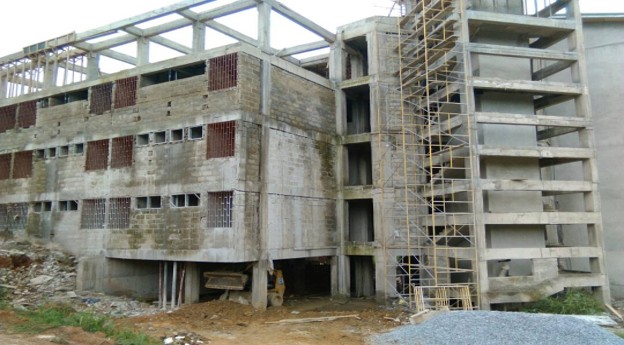
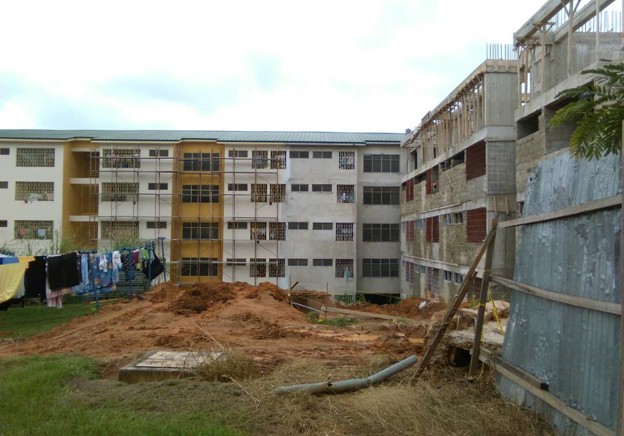
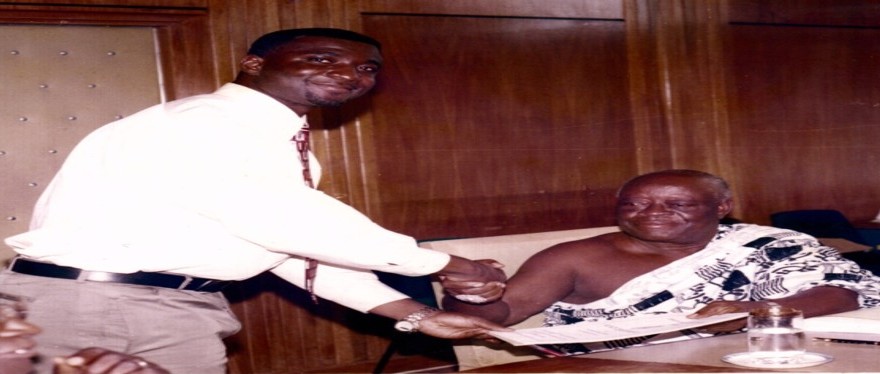
An SRC delegation, led by Okrah, formally presented the proposal to the Asantehene at the Manhyia Palace. Otumfuo welcomed the initiative and pledged his support for the project. He later accepted an invitation to officiate at the sod-cutting and foundation stone-laying ceremony, providing an important boost to the fundraising and construction effort.
Although construction extended beyond Okrah's tenure as SRC President, the governance framework established by his administration ensured continuity. Successive SRC administrations maintained the project, which eventually resulted in the completion of the first phase of the hostel, providing accommodation for about 700 students. The facility was officially named the Otumfuo Osei Tutu II Hostel.
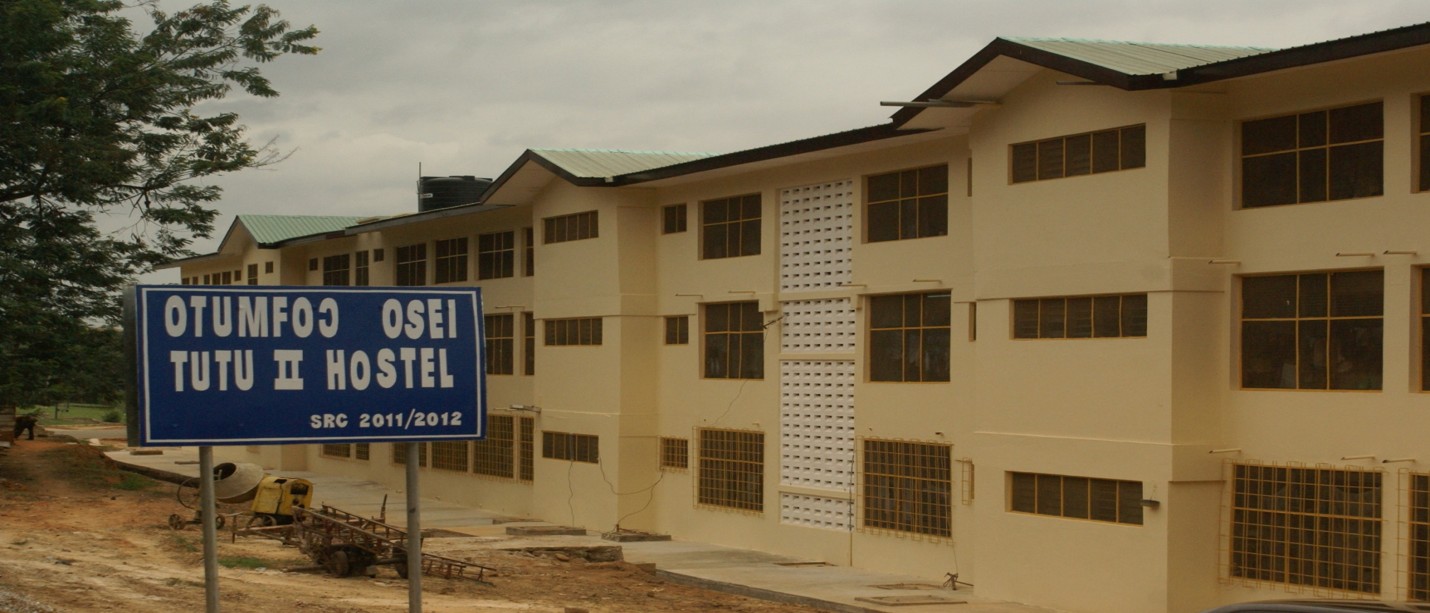
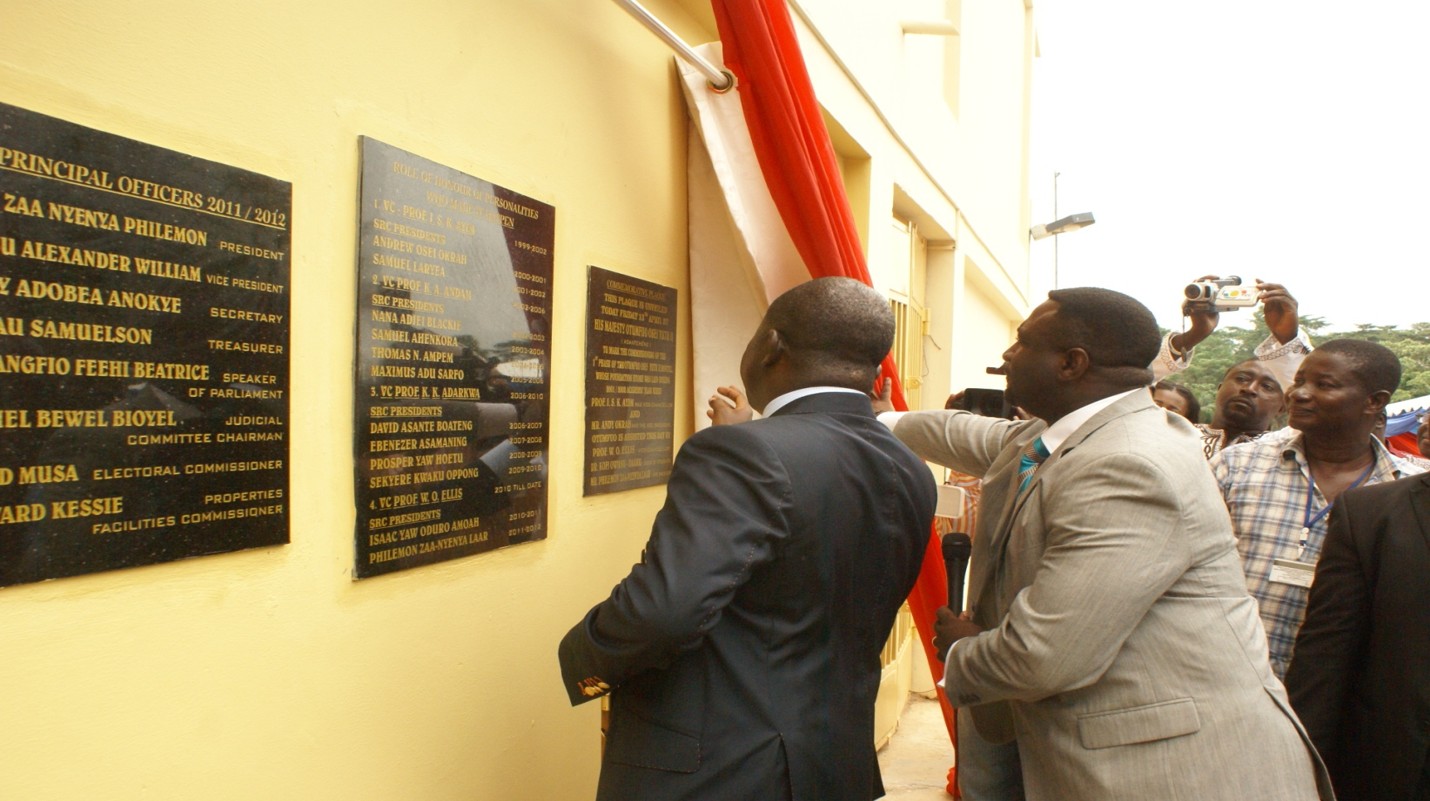
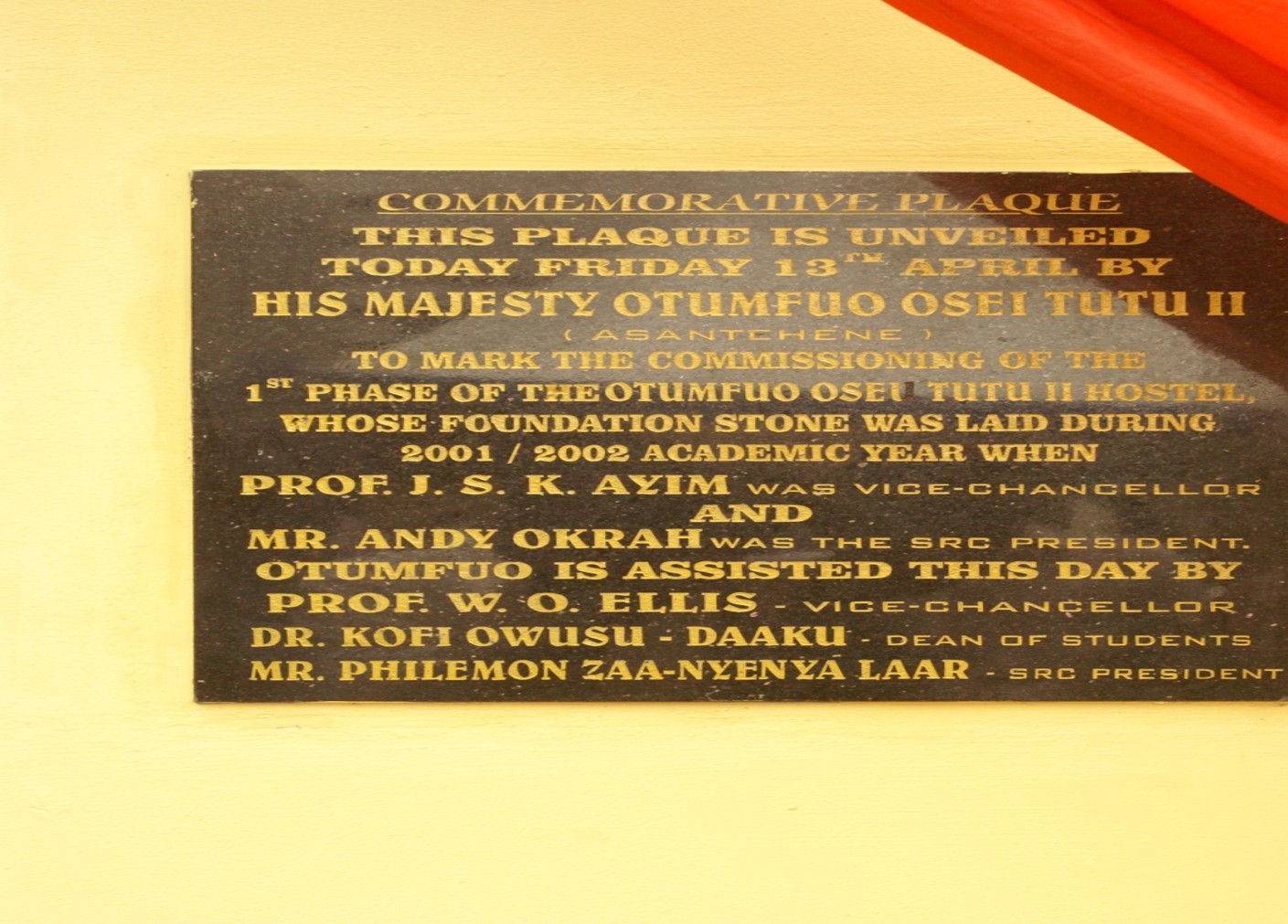
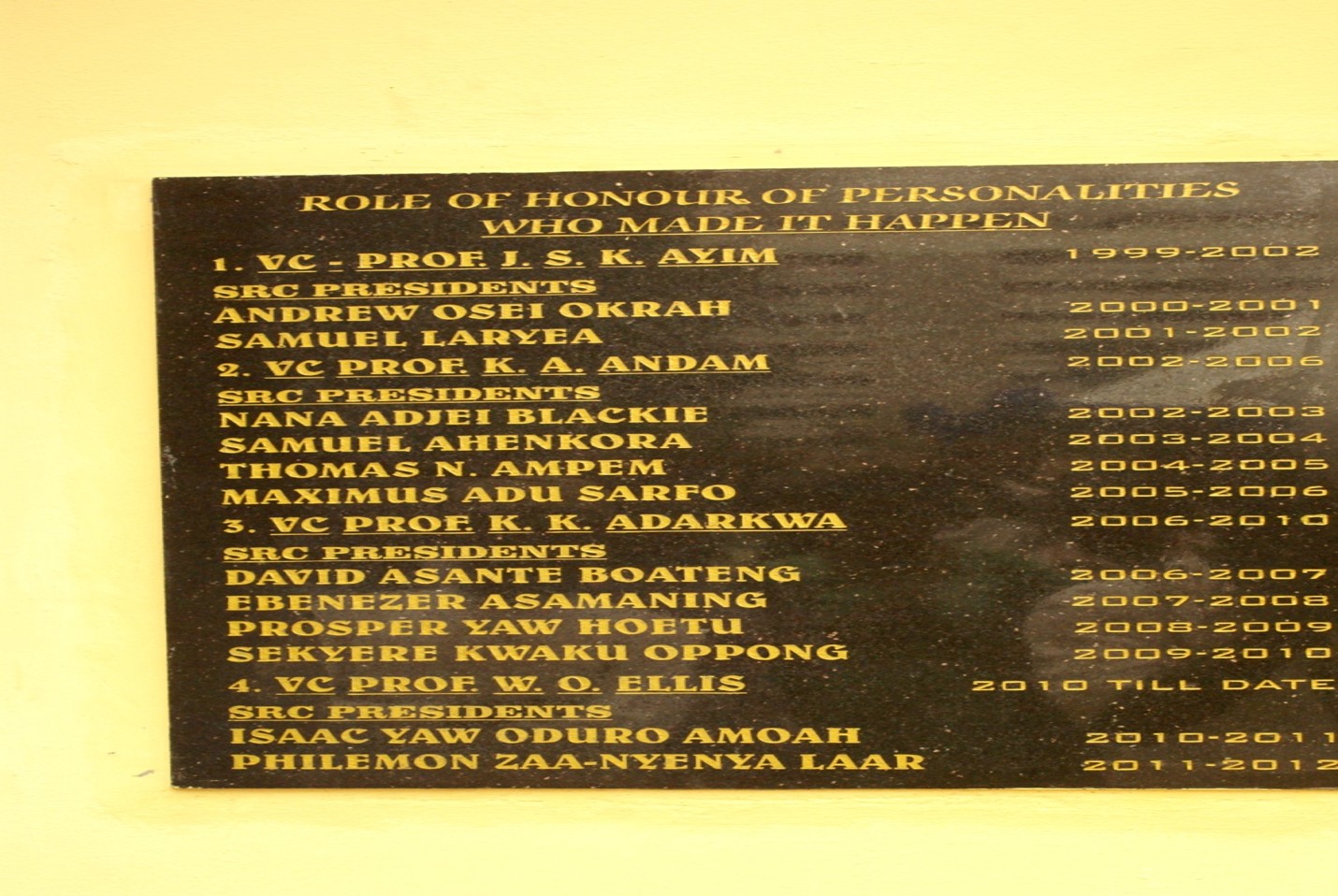 The completion of the project marked a significant milestone in KNUST's history, demonstrating how sustained collaboration between students, university management and external stakeholders could deliver long-term infrastructure for the benefit of future generations.

End of his tenure
Okrah's tenure as SRC President ended shortly after construction of the hostel project commenced. Although he served for only one academic semester following reforms to the SRC leadership calendar, his administration established structures that enabled the initiative to continue beyond his time in office.
Before leaving office, his administration put in place governance and administrative arrangements that required successive SRC executives to maintain the project. The continuity of the initiative reflected its institutional rather than personal character, with each subsequent SRC administration contributing to its implementation.
Over the following years, twelve successive SRC presidents oversaw different phases of the hostel's development. Nearly a decade after the sod-cutting ceremony, the first phase of the project was completed and commissioned. Okrah joined Otumfuo Osei Tutu II and the then SRC President, Philemon Laar, at the inauguration, marking the culmination of a vision first conceived during his student leadership.
Beyond addressing accommodation needs, the hostel established a sustainable source of revenue for the SRC through hostel fees, strengthening the financial capacity of the student body to support future programmes and development initiatives. The project remains one of the most enduring examples of student-led infrastructure development at KNUST.
From student leadership to national service
Following his tenure as SRC President, Andy Osei Okrah continued his career in public service and institutional leadership. After completing his studies, he joined the Forestry Commission of Ghana, where he rose through the ranks to become Director of Human Resource. In that role, he contributed to organisational development, human resource management and public-sector administration.
His leadership experience later extended into national governance. In 2016, President John Dramani Mahama appointed him Deputy Ashanti Regional Minister, a position that enabled him to contribute to regional development and public administration. He also served as Board Chairman of the Students Loan Trust Fund, where he supported policies aimed at improving access to tertiary education through student financing.
Across these roles, Okrah maintained the leadership philosophy that had shaped his time at KNUST: leadership should create opportunities, strengthen institutions and enable others to realise their potential.
Investing in the next generation of leaders
Committed to youth development, Okrah established the Young Professionals and Youth Coalition Initiative (YPYC), a leadership and mentorship platform that equips young people with the knowledge, skills and networks required for personal and professional growth.
Through seminars, mentorship programmes and leadership engagements, YPYC connects students and young professionals with experienced leaders from academia, business, public service and industry. The initiative focuses on developing leadership capacity, encouraging innovation and preparing young people to contribute meaningfully to national development.
To broaden its reach, YPYC established chapters at the Kwame Nkrumah University of Science and Technology (KNUST), the University of Ghana and the University of Professional Studies, Accra (UPSA). The expansion reflects Okrah's long-standing commitment to nurturing future leaders through structured mentorship and practical learning opportunities.
Bringing Transform Summit to KNUST
While pursuing a PhD in Human Resource Management at KNUST, Okrah introduced the Transform Summit to the University through YPYC. The summit has since evolved into one of the University's flagship youth leadership events, attracting an average of about 2,000 participants.
The annual programme brings together accomplished professionals, entrepreneurs, academics and public leaders to share their experiences with students and young professionals. Discussions focus on leadership, entrepreneurship, career development and public service, providing participants with practical insights that complement their academic training.
Beyond its conference format, the Transform Summit has become a platform for mentorship, networking and personal development. It seeks to inspire participants to pursue excellence while equipping them with the skills needed to make meaningful contributions to their communities and the nation.
Recognising role models
As part of the Transform Summit, Okrah established the Transform Summit Africa Role Model Awards to recognise individuals whose contributions have had a positive impact on society.
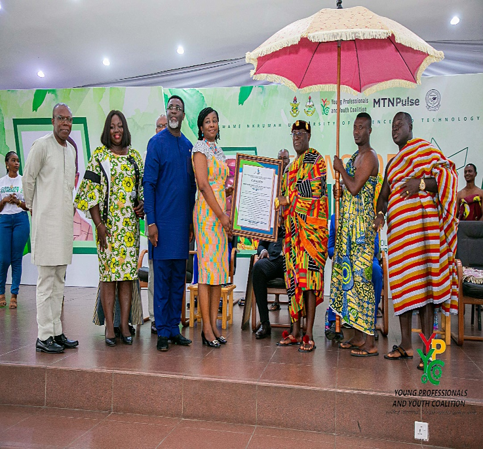
The awards honour distinguished personalities from academia, public service, traditional leadership, business and governance whose achievements provide examples of excellence, integrity and service. Since its inception, the initiative has recognised more than 200 individuals, including the Asantehene, Otumfuo Osei Tutu II; former Presidents John Agyekum Kufuor and John Dramani Mahama; Prof. Rita Akosua Dickson; Prof. Christian Agyare; Prof. Ellis Owusu-Dabo; Prof. Marian Asantewah Nkansah; Prof. Ibok Oduro; Prof. Elsie Effah Kaufmann; Dr. Joyce Aryee; and Ambassador Mohamed Ibn Chambas.
By highlighting the achievements of these leaders, the awards seek to inspire young people through examples of leadership, resilience and public service.
The tertiary mentors–mentees leadership workshop
Building on the success of YPYC and the Transform Summit, Okrah launched the Tertiary Mentors–Mentees Leadership Workshop to provide structured mentorship for university students.
The programme, which began at KNUST with the College of Agriculture and Natural Resources and the College of Health Sciences, pairs students with experienced professionals who provide career guidance, leadership coaching and personal development support.
The initiative aims to strengthen the relationship between mentors and mentees through sustained engagement rather than one-off motivational sessions. It is designed to help students make informed decisions about their education, careers and leadership aspirations while encouraging accountability and continuous learning.
Okrah plans to expand the programme across all six colleges of KNUST and subsequently to other tertiary institutions in Ghana, with the long-term objective of reaching 100,000 students through free leadership and mentorship programmes.
Leading Ghana's tree crops sector
Okrah's leadership journey has continued in Ghana's public sector, where he has taken on responsibilities aimed at strengthening strategic national institutions. Drawing on his experience in public administration, human resource management and organisational leadership, he has remained committed to promoting institutional transformation and sustainable development.
His appointment to lead Ghana's tree crops sector reflects a continuation of the leadership principles that have defined his career, from mobilising students to address campus challenges at KNUST to contributing to national development through public service. Throughout his professional journey, he has consistently advocated collaborative leadership, institutional innovation and investment in people as essential drivers of long-term progress.
Story: Emmanuel Kwasi Debrah


